Frequently Asked Questions
Magnetic Flooring (Magnus®)
-
What is magnetic flooring and how does it work?
Magnetic flooring, such as our Magnus® system, uses magnetic properties to securely hold the flooring in place without the need for glue, nails, or complicated click-lock systems. The flooring planks feature a magnetic backing that instantly adheres to a specialized magnetized underlayment, allowing for incredibly fast installation and easy removal or replacement of individual planks. Learn more about our easy to install magnetic flooring.
Installation Guidelines
-
Why do you need to lay underlayment the opposite direction of the flooring?
When installing our underlayments, we recommend running the underlayment opposite to the way the floor will be installed, to avoid underlayment and flooring seams lining up with each other. -
When installing underlayments, why are you advising to run the underlayment 2 inches up the wall?
We recommend running the underlayment 2 inches up the wall to provide moisture protection. As concrete slabs are constantly transmitting moisture, this practice will protect your floor covering. -
Can FloorMuffler be used with radiant heat floor systems?
There are many varieties of underfloor heat systems available on the market. We recommend contacting the manufacturer of the heat system PRIOR to installation with the floorMuffler to confirm the floorMuffler is suitable for these applications. When suitable, we recommend that the heating system be installed over the floorMuffler to allow proper thermal transfer. -
If I am gluing down your underlayment, what adhesive can I use?
Please refer to the adhesive manufacturers recommendations. You can find the approved adhesive list under the Product Overview Section of each product. -
How do you install underlayment under hardwood floors?
Underlayment should be rolled out perpendicular to the direction the hardwood planks will be installed. You should run the underlayment about 2 inches up the perimeter walls to ensure full moisture protection. Finally, tightly seal all the seams—our ultraSeal products make this easy with an integrated Peel & Stick lip and tape system. For a visual step-by-step guide, check out our Videos page.
General Underlayment & Flooring
-
How does flooring underlayment improve moisture protection?
Underlayment acts as a critical barrier that prevents moisture vapor from the subfloor (especially concrete) from traveling up and damaging your floor covering. Premium underlayments, like those from floorMuffler, use a closed-cell foam structure and built-in vapor barriers to block moisture transmission, protecting your floors from warping, buckling, and mold growth. -
Does laminate with attached padding need underlayment?
Laminate flooring with a pre-attached pad typically does not require a traditional acoustic underlayment, since adding too much cushion beneath the floor can place stress on the locking system. However, while attached pads do provide some sound reduction, they are often minimal in performance. Using a high-quality, thin-profile underlayment and moisture barrier designed specifically for attached-pad flooring can help deliver enhanced sound control, improved moisture protection, and added support without compromising the integrity of the floor. For installations over concrete subfloors, a dedicated moisture barrier is especially recommended. Browse our specialized solution for attached-pad flooring. -
What's the best acoustic underlayment for reducing impact noise?
For maximum reduction of impact noise (such as heavy footsteps), our signature floorMuffler ultraSeal is the industry leader. Its highly engineered, cross-linked polypropylene (XLPP) foam structure is specifically designed to absorb impact energy, making it the top choice for multi-story homes, condos, and apartments. -
Do I need a vapor barrier under laminate flooring?
Yes, if you are installing laminate over a concrete subfloor or over a crawlspace, a moisture vapor barrier is absolutely essential. Concrete constantly emits moisture vapor that can ruin laminate. Over plywood subfloors, a vapor barrier is typically not as critical, but it may still be recommended depending on site conditions and the flooring manufacturer’s guidelines. Fortunately, most of our premium underlayments have a built-in moisture barrier, meaning you get premium acoustic and moisture protection in one single step. -
What's the best underlayment for floating floors?
The best underlayment depends on the specific type of floating floor you are installing (laminate, engineered wood, or vinyl). However, a premium cross-linked foam underlayment like floorMuffler ultraSeal is universally considered one of the best choices, as it provides the ideal balance of firm joint support, moisture protection, and acoustic dampening. Check out our full product line to compare options and find the perfect match. -
What's the best underlayment for laminate on plywood?
When installing over a plywood or OSB wood subfloor, moisture transmission is much less of a concern than it is with concrete. Therefore, your primary goal is sound reduction and smoothing out minor subfloor imperfections. An acoustic underlayment like quietCure is an excellent, cost-effective choice for wood subfloors. You can explore this and other great options on our Products page. -
What's the best underlayment for laminate flooring?
The best underlayment depends on your specific subfloor, but we offer several top-tier options designed specifically for laminate. For the absolute best acoustic sound reduction and premium moisture protection, our flagship floorMuffler® ultraSeal is the industry's top choice. If you are looking for professional-grade performance at a mid-range price, quietCure™ offers excellent moisture and sound protection. For a budget-friendly option, comboFoam® provides a great value-grade moisture barrier and basic acoustic support. For those looking for a more eco-friendly solution, Natura Elite™ is a recycled fiber underlayment that delivers excellent performance while supporting sustainable material choices. You can browse these options and more on our Products page to find the perfect match for your flooring. -
How does acoustic underlayment work?
Acoustic underlayment works by acting as a shock absorber between your hard flooring and the subfloor. The specialized cellular structure of the foam cushions the impact of footsteps, reducing the sound energy that travels into the room below (measured by IIC ratings) while also deadening the ambient noise within the room itself. To see demonstrations of our acoustic technology in action, check out our Videos page. -
Do I need underlayment for Luxury Vinyl flooring with an attached-pad?
Like laminate with an attached pad, when installing Luxury Vinyl Plank (LVP/LVT) with a pre-attached pad, an additional moisture barrier is still highly recommended. This is especially true when installing over concrete subfloors, to protect the flooring from moisture vapor transmission that can lead to long-term damage. While attached pads do provide some sound reduction, adding a thin, high-density underlayment can further improve acoustic performance and enhance overall in-room sound control. It's important to avoid thicker, overly cushioned underlayments, as they can create excessive softness beneath the floor and potentially impact the stability of the locking system and installation performance. Our encore underlayment is specifically designed to deliver this balance—providing reliable moisture protection along with enhanced acoustic performance in a thin, high-density profile suitable for use with attached-pad flooring.
FloorMuffler Products & Specifications
-
What does the designation ultraSeal signify?
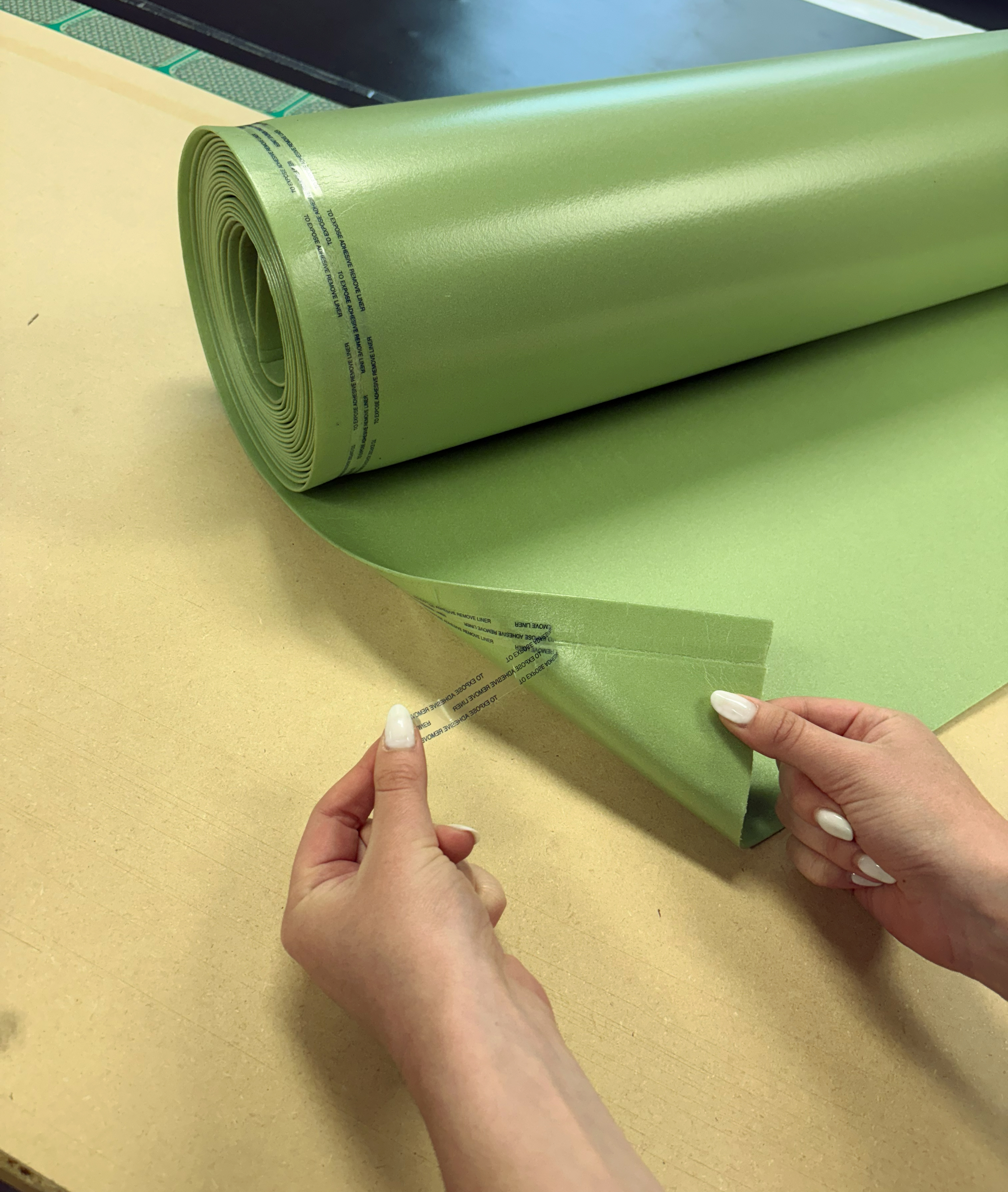
ultraSeal is the brand name for our Self-Sealing Lip and Tape Seam System. This system was designed to protect your floor covering from substrate moisture vapor transmission at the seam joints. It combines an overlapping film for moisture protection of the seam joints along with a Peel & Stick tape strip for ease of installation.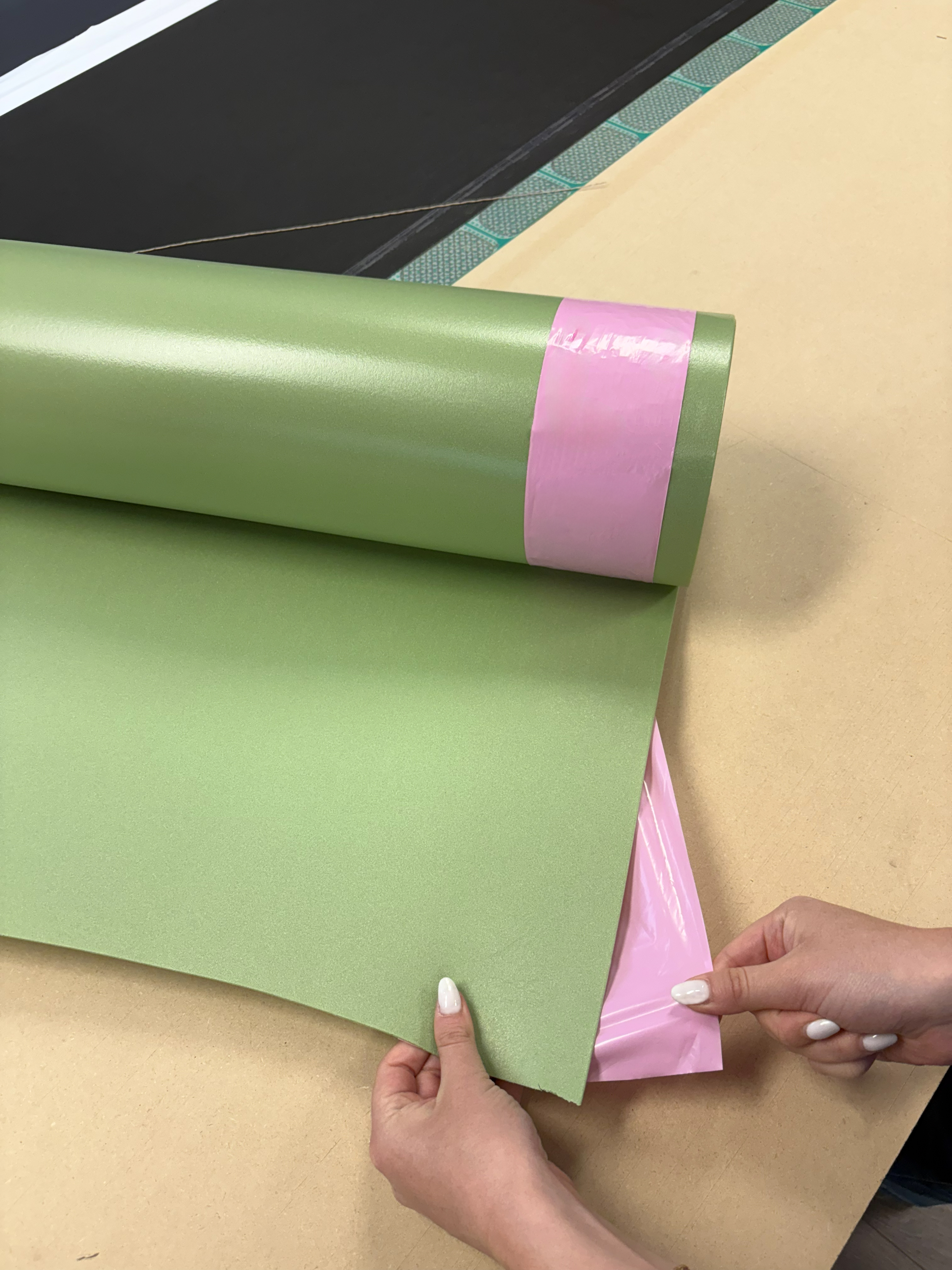
-
Are your products moisture barriers or do you need an additional film or moisture barrier?
The floorMuffler products made out of cross-linked polypropylene foam (XLPP) do not require an additional film as a moisture barrier. It is important to mention that both the North American Laminate Flooring Association (NALFA) and the National Wood Flooring Association (NWFA) recommend that flooring should only be installed when the substrate contains a moisture vapor transmission rate (MVTR) of 3lb / 1000 ft / 24 hours as tested using a calcium chloride test. Additionally, the TYPICAL PHYSICAL PROPERTY page will detail the specific MVTR characteristics for each product. -
Does FloorMuffler have VOCs?
The floorMuffler surpasses the Indoor Air Quality emissions requirement for California Section 01350, the most stringent volatile organic compound standard in North America. -
Do you have any test data available for your products?
Yes. Please visit the contact us section and a team member will reach out to you. -
What is the IIC rating of floorMuffler products?
floorMuffler is known for having some of the highest acoustic ratings in the industry. While specific Impact Insulation Class (IIC) ratings depend on the exact floor and ceiling assembly used during testing, our premium products like the original floorMuffler can achieve IIC ratings up to 74, providing exceptional sound deadening. -
What is the difference between floorMuffler ultraSeal and quietCure?
The difference between floorMuffler® ultraSeal and quietCure™ is primarily in their performance level and price point. Both products are made using the same core material technology and are designed to deliver reliable moisture protection and sound reduction for laminate and engineered flooring installations. floorMuffler® ultraSeal is the premium version, offering the highest level of acoustic performance and moisture protection within the line. quietCure™ uses the same material base but in a more streamlined specification, making it a slightly more economical option while still delivering strong, dependable performance for most residential and commercial applications. In short, both are high-quality solutions—the choice depends on the level of performance you want to achieve for your product.
Company Info & Purchasing
-
Where is your manufacturing facility located?
Our manufacturing facility is located in Swedesboro, NJ. We are a proud member of the MADE IN NEW JERSEY Manufacturing Program. Learn more! -
Do you have a certified quality system to ensure the quality and consistency of your products?
Yes. Please visit the contact us section and a team member will reach out to you. -
I'm a retailer. How can I obtain pricing for your products?
Your business is valuable to us and we strive for customer satisfaction. Please fill out the contact us form and our team will reach out to you. -
Where can I buy floorMuffler's underlayment products?
floorMuffler products are widely available! You can easily find and purchase our premium underlayments online and in-store at The Home Depot, as well as through other authorized flooring retailers and distributors nationwide. Please feel free to contact us as well about any of our products, our team is always happy to help you find the perfect solution for your specific flooring project!
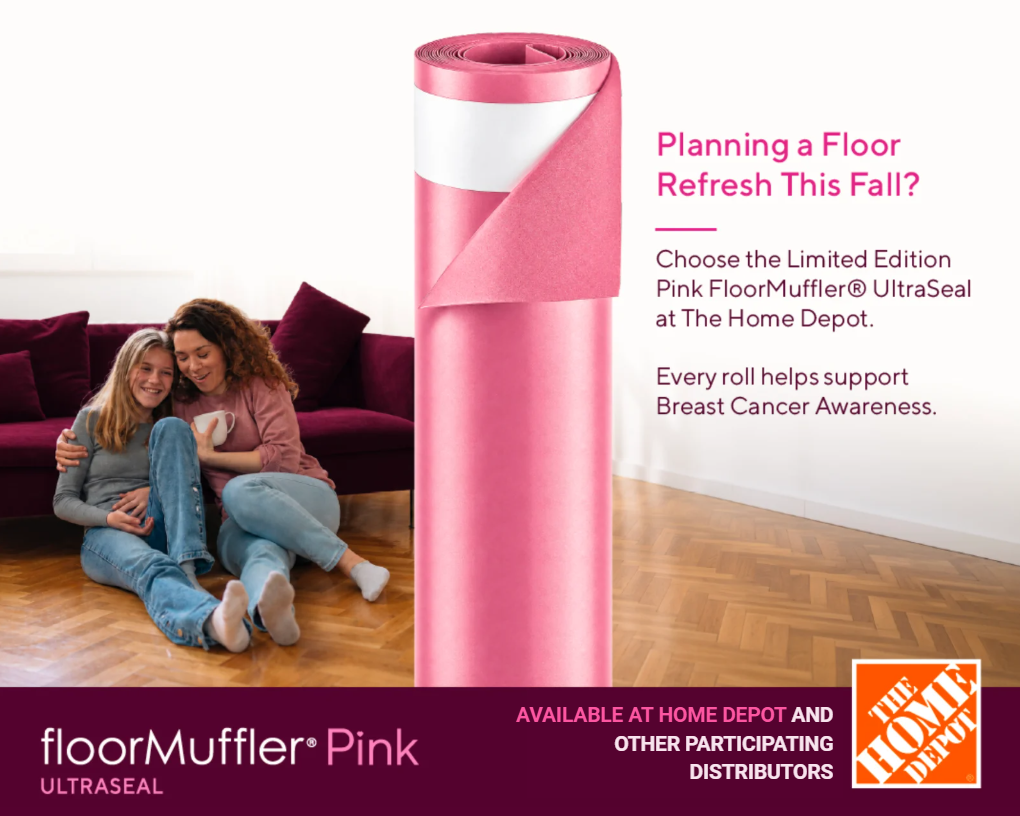
 floorMuffler Pink UltraSeal is at Home Depot ® – Purchases support the